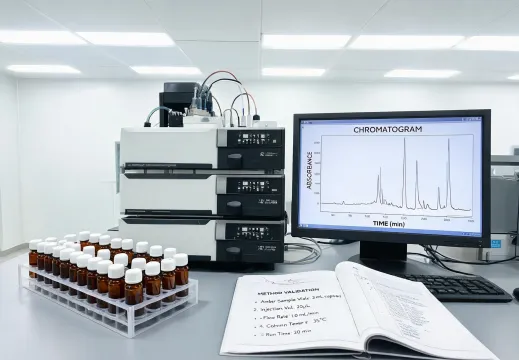
Analytical workflow review
Application context is translated into detector choice, sample handling needs, software control, and service expectations before the site commits to a configuration.
About Shimadzu
Shimadzu is presented here as an instrument partner for teams that need analytical, inspection, and weighing decisions to hold up under technical review. The brand voice is intentionally measured: every claim should connect to a method, a service record, a qualification file, or a practical laboratory outcome.
Measurement credibility is created before the result is reported. It starts with the chosen instrument, continues through installation and training, and remains visible in the certificate, method note, and service interval that follow the asset through its working life.
Facilities and evidence flow
Application context is translated into detector choice, sample handling needs, software control, and service expectations before the site commits to a configuration.
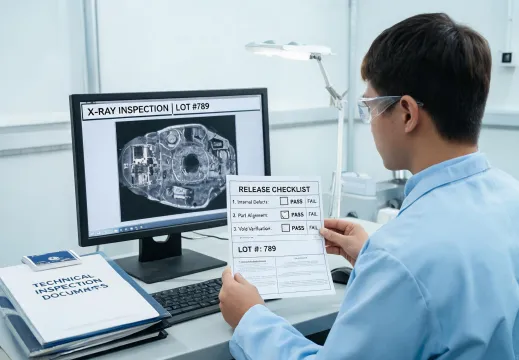
NDT and X-ray decisions are tied to sensitivity checks, reject verification, operator training, and recorded thresholds that make production release more defensible.
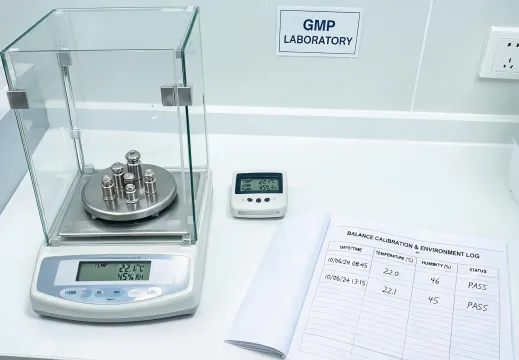
Balance selection is connected to readability, environment, calibration weights, daily checks, and the way uncertainty is reported for controlled work.
Authority in laboratory instrumentation should not rely on broad slogans. For procurement, quality, and laboratory leadership, the useful material is specific: datasheets that state operating boundaries, application notes that explain method assumptions, service documents that show calibration scope, and qualification references that align with the site procedure. A careful document culture reduces backtracking because the same evidence can support purchasing, validation, operator training, and change control. When those teams work from separate summaries, ambiguity grows quickly. A shared technical file keeps the conversation centered on performance and compliance rather than preference.
Ask for support with method context, service intervals, qualification records, or procurement evidence.